
Video
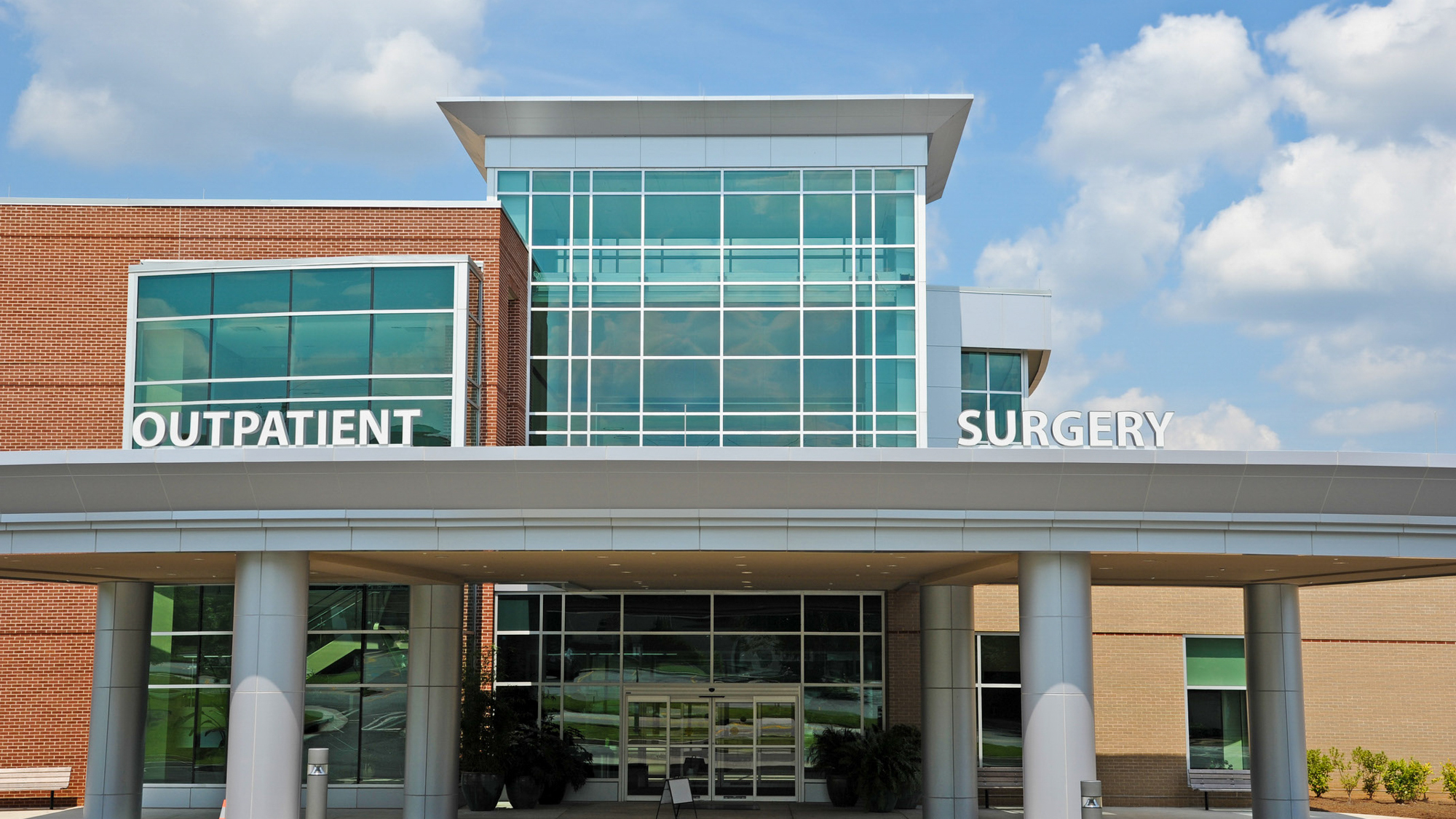
Risks All Their Own: Outpatient MDs See Patient Safety Hurdles
May 08, 2014
Duration: 6:43
This podcast is an episode of Safety Net. You can find other episodes and subscribe using the links to the left.
It’s not quite the wild west, but the outpatient setting is a very different environment for patient safety than inpatient care. From across the Boston area, Harvard-affiliated physicians share the unique challenges and potential pathways to making care outside of the hospital safer for themselves and their patients.
Subscribe to Safety Net
Sign up and keep up.




About the Series
We’ve got you.
Our Safety Net podcast features clinical and patient safety leaders from Harvard and around the world, bringing you the knowledge you need for safer patient care.
Episodes
Recent episodes from the Safety Net series.
Getting Control of AI in Healthcare
Podcast
As AI takes root in the delivery of healthcare from clinical analysis to appointment-making, two physician safety leaders think about governance and concerns raised through the Academic Medical Center Patient Safety Organization at CRICO.


Safe Births are a Team Effort
Podcast
Hospital birthing center uses a teams-based protocol to honor patient’s wishes and focused communication tactics among providers and with patients.

Taking the Mystery Out of Being a Clinician Defendant
Podcast
Defendants in the Harvard medical community have a new way to learn about the legal machinery and personal coping strategies they’ll need to be good participants in their defense. Listeners learn how a leading edge litigation preparation video program was incubated through CRICO, with guests Gita Pensa, MD and CRICO’s VP of Claims, Beth Cushing, JD.
Defending Providers is Different Today, Says Legal Expert After 45 Years
Podcast
What can you say after 45 years defending doctors, nurses, and hospitals in the Harvard medical community? A lot. Defending providers in court requires something different in 2026 than what prevailed in the 1980s, according to John Cassidy, who is retiring as senior partner at Ficksman and Conley. He shares his wisdom and insights for success in medmal defenses today and the future.
Subscribe to Safety Net
Sign up and keep up.