Podcast
How Application Forms and Burnout Threaten MD Mental Health and Patient Safety
Feb 08, 2026

“I thought that maybe I should talk to somebody about how I was feeling. But I was at the very end of my training, and I knew I was about to apply for my first job and to get my permanent medical license”
Stefanie Simmons, MD, FACEP
Chief Medical Officer, Dr. Lorna Breen Heroes' Foundation
“Have you ever been diagnosed with or treated for a mental illness?” In the medical profession, a yes answer to that question on a license application or credentialing form could seem like a career threat. The question itself is slowly being removed and replaced with a non-biased query about current job-related disabilities of any kind. But the fear persists, and so do the consequences.
When New York emergency physician Lorna Breen died by suicide during the height of the Covid pandemic, the tragedy pulled the curtain back on a problem that threatens all providers and their patients. Doctors often don’t seek mental health care because they fear the impact on their careers. This leaves doctors untreated and their patients vulnerable—the exact opposite of what the system is trying to prevent when it inquires about a provider’s past.
“Health care workers need equal access to mental health care as their patients on the rest of society.”
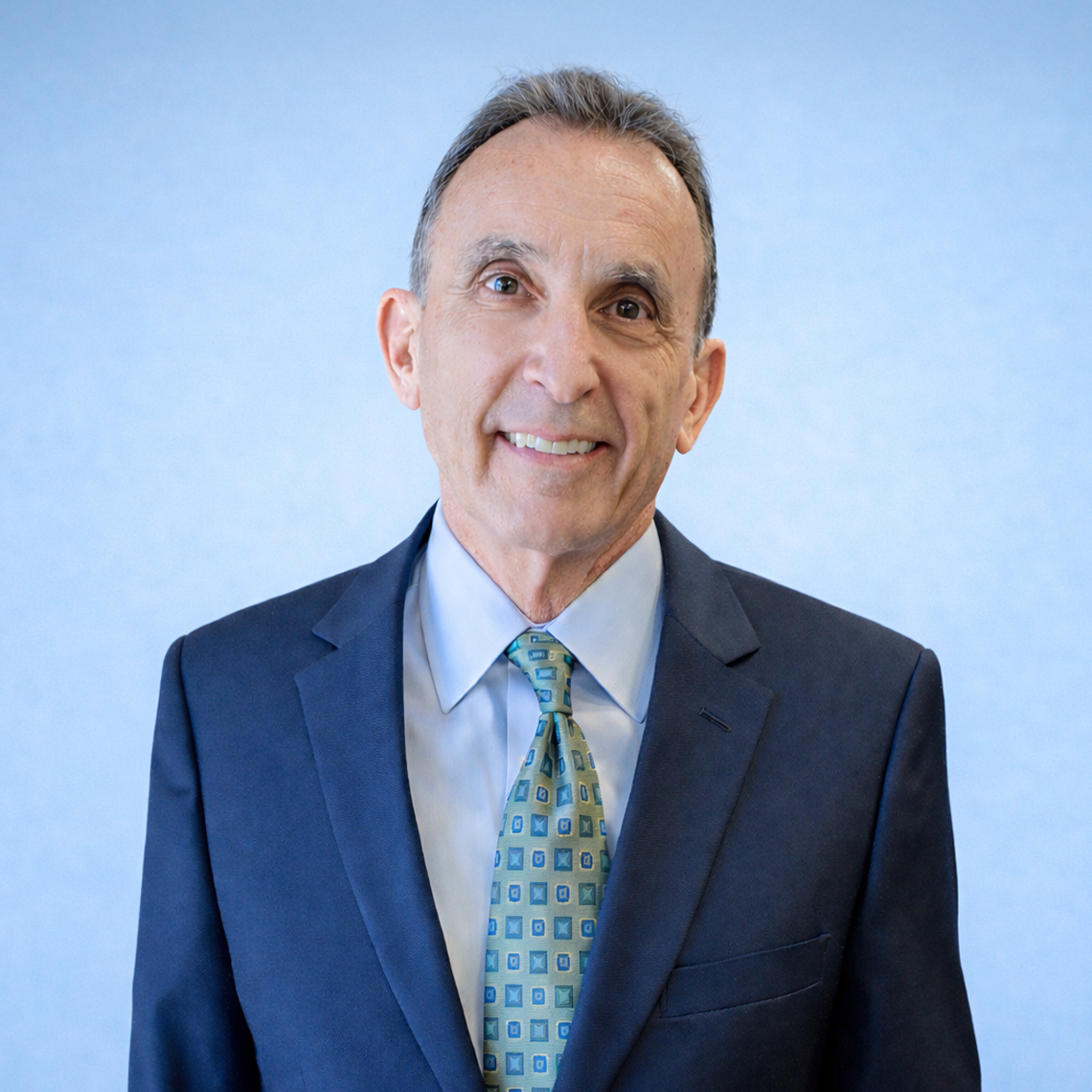
Dr. Stefanie Simmons is the Chief Medical Officer at the Dr. Lorna Breen Heroes’ Foundation and a board-certified emergency medicine physician.
“Right now, there are real barriers to accessing mental health care in the questions on licensing, credentialing, payer, and malpractice insurance applications. There’s no reason not to change these questions. And changing them will have an immense benefit for health care workforce well-being.”
The Foundation was created after Dr. Breen’s death and revelations that she avoided care because she feared what it would mean to her career if colleagues and future employers found out. The Dr. Lorna Breen Heroes’ Foundation mission is to reduce burnout of health care professionals and safeguard their well-being and job satisfaction. Dr. Simmons leads multi-state programs in this space, and she serves as a national thought leader in improving the well-being of health care workers.
Empirical evidence suggests its not just a health care issue. It’s actually a malpractice issue as well. Dr. Simmons recently spoke to health care quality and safety and risk leaders in Boston, for a conference sponsored by Candello, the national malpractice data collaborative:
“We need to dismantle the stigma around getting mental health care. Whether you’re a surgeon with PTSD from caring for patients in a mass shooting, an intensivist who cared for patients during Covid, or an ER resident who just had the worst case of her life. We need to check in with one another. We need to share our stories, and we need to put systems in place that assist and not punish health care workers for taking care of themselves.”
Dr. Simmons shared her own story of needing mental health counseling early in her emergency medicine career. A three-year-old girl was brought in by her mother. She died, and Dr. Simmons cared for the family with deep sadness and empathy, only later to find out that the mother murdered her child. After testifying at trial, Dr. Simmons felt rage and less openness to her patients and families. She was also facing a huge debt from medical school.
“I thought that maybe I should talk to somebody about how I was feeling. But I was at the very end of my training, and I knew I was about to apply for my first job and to get my permanent medical license. And I knew that I would be asked if I had ever been diagnosed or treated for a mental health condition. So I didn’t get help. At the time, I felt like that was a rational economic decision for myself and my family, and imagine being put in that position.”
A 2025 study in Mayo Clinic Proceedings indicates some recent improvement in burnout rates, but the percentage of clinicians reporting symptoms is stubbornly high at 45 percent. Other research shows 24 percent of physicians suffer from high levels of anxiety, and nearly 30 percent experience depression. A 2019 JAMA Network Open study found that physicians with positive screens for depression had a relative risk of 1.95 for involvement in medical error over non-depressed doctors. Suicide rates for physicians are about twice that of the general population, even higher for female clinicians. Dr. Simmons says the very mental health care that providers need in order to address their own needs and protect patients, is discouraged by fear of the potential impact on their economic well-being.
“Licensing concerns, credentialing concerns, questions on professional liability and malpractice insurance, and questions on payor credentialing consistently are listed in the top three reasons why health care workers do not seek care. Okay. The other two reasons? They’re busy working at the hours when care is available or they can’t afford it, particularly for nurses. And they are worried that if they take care of themselves, get diagnosis and treatment for their conditions, they will lose the opportunity to practice. And make no mistake, if they can’t get a license, they can’t practice. If they can’t get credentialed at a hospital, they can’t practice. If they are uninsurable, they can’t practice. And if they can’t get paid, they can’t practice.
Dr. Simmons and the Dr. Lorna Breen Heroes’ Foundation contend that patient safety is better served when clinicians are not afraid to get help. Systems designed to assist health workers instead of punishing them look like: application forms that ask for current job-related impairments of any kind, subsidized on-and-off-site mental health support at convenient hours, help with administrative overload, and more.
In early 2026, supporters won renewal of the Dr. Lorna Breen Health Care Providers Protection Act, first signed in 2022. It gives federal money to establish first-of-their-kind grants for health profession schools, academic health centers, or other institutions to help them train health workers in strategies to prevent suicide, burnout, mental health conditions, and substance use disorders.
Meanwhile, Dr. Simmons describes a variety of reasons for hope that providers might see increased dignity and respect and fewer barriers as they seek self-care.
“So how is this change happening? There are different change agents. There are legal change agents, and there are regulatory change agents. And I would say there are also voluntary change agents. So we are seeing the Department of Justice, who has said that inquiring about applicants’ medical conditions on state licensing applications violates the ADA. And they have encouraged applicants who feel as though they have received discrimination to file complaints with the ADA. And we are starting to see those happen.
“We are also seeing the Federation of State Medical Boards recommending that state medical boards limit questions to current impairments that do not distinguish between physical and mental health.
“So on the legal side, we have seen state laws passed around licensing in Virginia, Colorado, Minnesota, Montana, Georgia, Nebraska. There are several more on the books, including in New Jersey for this year. And we are also seeing state boards and regulators voluntarily revising their questions on licensing. Now on the credentialing side, we are seeing hospitals at an increasing rate voluntarily looking through their credentialing application and their peer reference forms and changing those forms to eliminate these questions.”
More than 10 percent of hospitals nationwide have eliminated those questions in just the past year and a half. With partner organizations like the CDC and affinity groups, the Dr. Lorna Breen Heroes’ Foundation has pursued numerous efforts to raise awareness and improve provider well-being. One example is a nationally-implemented Impact Wellbeing Guide.
“The Impact Wellbeing Guide is six steps that organizations, particularly hospitals and health systems, can take to impact professional well-being for health care workers. On any given Tuesday morning, if you wake up and you want to fix health care worker burnout, that’s a pretty tall order of business. It’s like an elephant in front of you to eat. So if you’re going to eat an elephant, this guide is ‘Here’s your first six bites. And here’s the team you need to bring along with you to get the job done.’”
For Dr. Simmons and others working on clinician well-being, the job may never be done. But they have found some of the keys to success over time. And they will keep at it because our clinicians—and ultimately their patients—deserve no less.
I’m Tom Augello for Safety Net
Commentators
- Stephanie Simmons, MD, FACEP




About the Series
We’ve got you.
Our Safety Net podcast features clinical and patient safety leaders from Harvard and around the world, bringing you the knowledge you need for safer patient care.
Episodes
Getting Control of AI in Healthcare

Safe Births are a Team Effort

Taking the Mystery Out of Being a Clinician Defendant

Defending Providers is Different Today, Says Legal Expert After 45 Years