
Podcast
Defending Providers is Different Today, Says Legal Expert After 45 Years
Mar 29, 2026
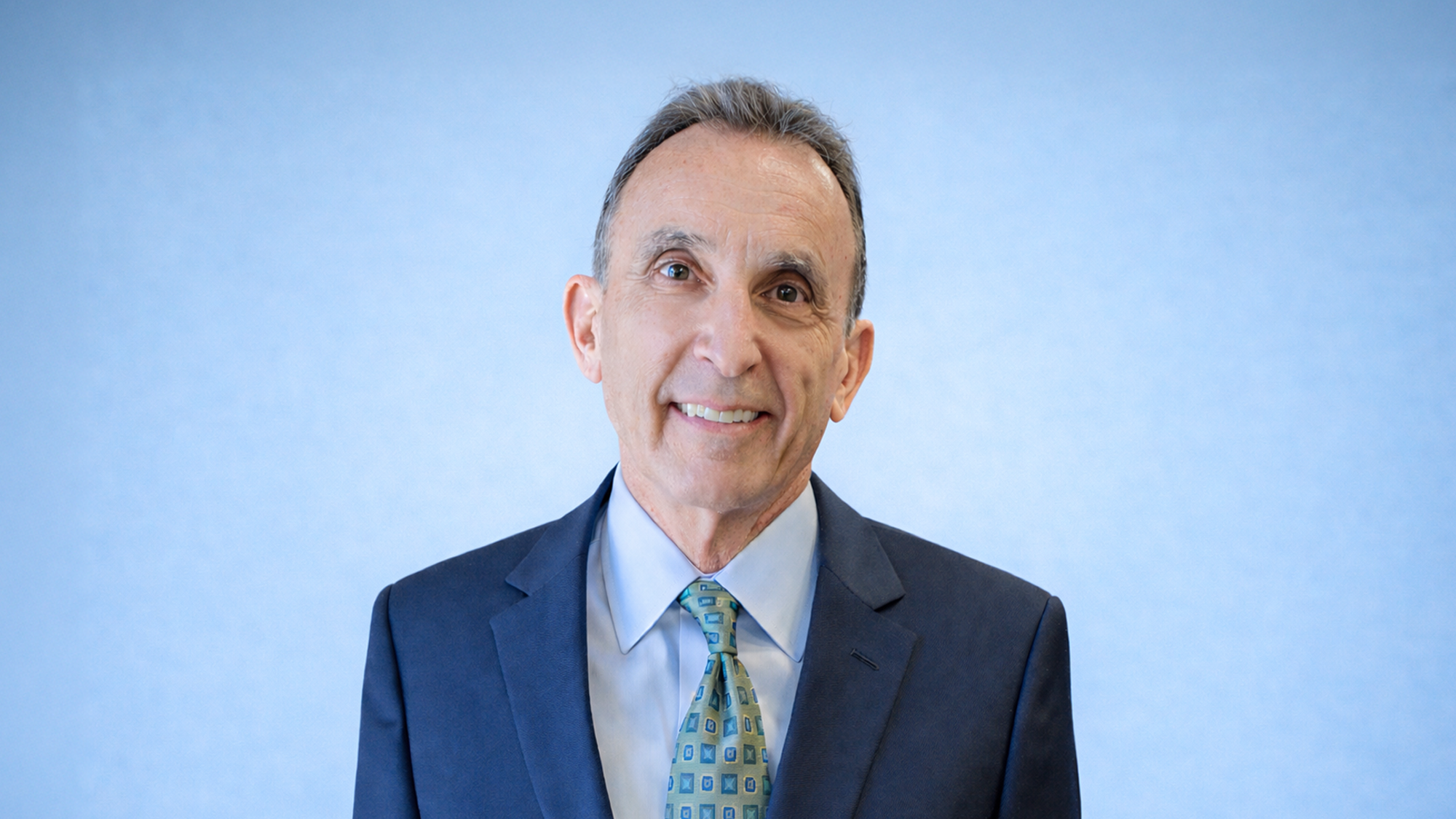
“There are fewer lawsuits, but the lawsuits are bigger and more complex. Fortunately, we continue to win a vast, vast majority of the cases.”
John Cassidy, JD
Senior Partner, Ficksman & Conley
I’m your host, Tom Augello, and today our special guest is a man who has spent his career defending clinicians in medmal suits in the Boston area for all of the top teaching hospitals. He’s retiring after 45 years as managing partner with Ficksman and Conley. He’s John Cassidy. John, thank you for joining us.
John Cassidy: Sure, Tom, thanks so much for having me.
Tom Augello: Medicine has evolved so much in 45 years, and that’s going to affect the kind of work that you have to do to defend clinicians. How has the evolution of medicine changed the defense of medmal cases. And then on the other side, how has the evolution of law changed maybe the medicine, or how they’re defended?
John Cassidy: Sure, so, if I can just flip that around on you, Tom, truthfully, the law has not really changed very much in 45 years, believe it or not. Tort law, medical malpractice is a kind of tort law, substantively, has really not changed significantly in Massachusetts over the last 45 years, to be perfectly honest. I mean, there have been some tweaks, but nothing really significant. In contrast to the medicine, the medicine has changed, quite a bit. The technology has changed. As the medical technology has advanced, the medicine has become more complex, and consequently, the cases have become more complex. When I first started practicing back in 1980, CT scans were relatively new. And MRIs were… I’m not even sure we had MRI in 1980, I can’t quite recall, but, it really wasn’t until, I would say, the mid to late 80s that MRIs really, came onto the scene in a real way. So that’s just one small example of the way that medicine has changed, and the degree to which medicine has changed over the last 45 years. I mean, as we all know as patients, what do we ask the doctor? Can you do a CT? Can you do an MRI? So that’s been one of the major changes, but in general, the cases have just become much more medically complex than they were when I started.
Tom Augello: Can you say more about that, in terms of defending care in 2026, as opposed to 1980. What have you seen as sort of the biggest trends?
John Cassidy: Well, I think if I can borrow back from what I was talking about earlier, about, for example, you know, CT scans and MRIs. Juries now, patients in general, the general population, which is where we get our juries from, lay people seem to believe that there’s always some test that can be done, always some imaging test, some lab tests, that will give you “the answer.” And we who do this all know that that’s not true, and that’s where the art of medicine comes in is, the answers are not always black and white, you can’t just get a CT scan and say, ah, there’s the answer.
Tom Augello: Do you think that’s led to more of these lawsuits? I think the trends have shown maybe fewer lawsuits, but higher payouts.
John Cassidy: Right, and I think that’s true. I think there are fewer lawsuits, but the lawsuits are bigger and more complex. Fortunately, we continue on the defense side, to win a vast, vast majority of the cases. I think the number CRICO usually quotes is somewhere over 90%. I don’t remember exactly what it is, but it’s a very high percentage. But when we lose cases these days, the numbers, the awards, are typically pretty high. So, the equation has changed a bit. I mean, back in 1980 and, you know, even into the ’90s, you’d still have what I’ll call general practitioner lawyers filing medical malpractice cases. That really doesn’t happen very much anymore. I would say probably 98% of the medmal cases that are filed are filed by plaintiff’s attorneys who specialize in medical malpractice, and who are very well versed in it, and very good at it.
Tom Augello: And you were talking about the increased complexity over these 45 years of defending cases, and does that translate into higher costs to defend cases? Do you need to marshal more resources? What does that look like when a case is more complex? There’s more defendants in the same case? What does that look like to you?
John Cassidy: Sure, I think it’s multiple factors, including those that you’ve mentioned, Tom. Certainly the number of defendants, may increase. Certainly, the costs increase. I mean, there’s no question about that. Typically, we need more experts, that is experts from different disciplines. And so, obviously, the more experts you need, the higher the costs are. We have to spend more time on the cases, because they’re more complex, and obviously, that causes the cost to go up.
But for me, the real significance of the complexity of the cases is it really puts a greater challenge on us, the medmal defense bar, to be able to effectively teach a jury. And that’s really what we’re trying to do on the defense side, is essentially teach the jury medicine. Because these cases hinge on medicine. And so the more complex the medicine in a case is, the more challenging it is to try to teach a jury this complex medicine in a relatively short period of time. You know, usually you’re talking about, on average, about two weeks or so for a medical malpractice trial.
Tom Augello: Along the way, with this added complexity now you’ve been through, I’m thinking about the courts and how they may have changed over time. You’ve been through COVID, courts closing, and then reopening gradually, not so in a rush, I’m not sure. But we’ve been through some changes. How have the courts changed?
John Cassidy: That’s actually a great question, Tom. The courts have changed, significantly, over those 45 years. When I first started practicing, the courts did not officially close in the summer, but there were very, very few cases getting tried between you know, June 1st and August 31st, or certainly July 1st and August 31st. That has completely changed. I mean, the court is pretty much going full tilt 12 months a year. Another thing that has occurred, is we seem to have fewer trial lawyers, getting elevated to the bench now than we did in the past. And from my point of view that’s unfortunate, that’s a problem. This may seem inconceivable to somebody who’s not a lawyer or not familiar with this, but it’s not unusual these days to have a judge presiding over your trial who’s himself or herself either never tried a case or only tried a handful of cases.
Tom Augello: And then, how does that affect what you’re doing, or what you’re trying to do?
John Cassidy: Well, it’s always a little bit frustrating when you realize that the judge is maybe not as well versed in the rules of evidence as you think he or she might be, or should be. And truthfully, when you have new judges, we try our best to educate them from our point of view. And by the way, I don’t want to sound, you know, like I’m being too critical of the bench. I mean, there are many, many, many fine judges on the bench, and that was true when I started, and it’s true today. But there have been significant changes in the courts over those times.
Tom Augello: So what encourages you, as you exit the stage? So it is 2026. What is an encouraging thing you can think of to tell us about?
John Cassidy: Well, I think that, for the most part, the system works. I’ve tried, I don’t know, maybe 200 medical malpractice, jury trials. I mean, that’s a guesstimate. I stopped counting, you know, 30 years ago.
Tom Augello: Wow.
John Cassidy: But, you know, what I would say is that the jury system really does work. Are there aberrant findings by a jury? Yes, there are, but they’re less than probably one percent. I mean, juries typically get it right.
Tom Augello: Well, John, sort of a final comment about your career: what has been the most satisfying as you look back?
John Cassidy: Oh, I think without doubt, Tom, the most satisfying thing to me has been the ability to help providers who spend their lives helping others, helping us, helping patients. So for me, that’s been far and away the most satisfying part of my career, is just being able to help these people who I have just the most, the highest admiration and respect for. I mean, I see how hard these providers work, I wish the general public could understand how hard these providers work. And I have nothing but admiration and respect for them, and it’s been my privilege to be able to help them.
Tom Augello: Well, even looking over those decades, what we’ve seen is a greater appreciation for the impact of these lawsuits on these dedicated professionals. It’s a bigger impact, I think, than we realized 45 years ago.
John Cassidy: I think that’s an excellent point, Tom, and I think attending to the emotional and psychological impact of these cases on the providers is sort of the next phase in really providing a full scope of representation and support for these fine folks.
Tom Augello: Yeah, and not just in the defense of their legal, troubles, but we want mentally and emotionally healthy medical providers.
John Cassidy: Yeah, for sure. Absolutely. Absolutely.
Tom Augello: Thank you, thank you so much. It was really a pleasure.
John Cassidy: Yeah, really my pleasure, Tom. Take care and be well.
Tom Augello: Thank you. You too. John Cassidy, Managing Partner with Ficksman & Conley. John has just retired after 45 years of defending medical providers. I’m Tom Augello for Safety Net.
Commentators
- John Cassidy, JD, Ficksman & Conley




About the Series
We’ve got you.
Our Safety Net podcast features clinical and patient safety leaders from Harvard and around the world, bringing you the knowledge you need for safer patient care.
Episodes
Getting Control of AI in Healthcare

Safe Births are a Team Effort

Taking the Mystery Out of Being a Clinician Defendant

How Application Forms and Burnout Threaten MD Mental Health and Patient Safety