Patient Safety Alert 20: Diagnosis and Treatment of Ischemic Stroke (PDF)

The AMC PSO has recently convened subject matter experts and ED clinical leaders to address challenges in assessing and treating patients presenting with symptoms related to ischemic stroke, and, in particular, vertebrobasilar stroke.

Key Points

The key points resulting from this convening session are as follows:
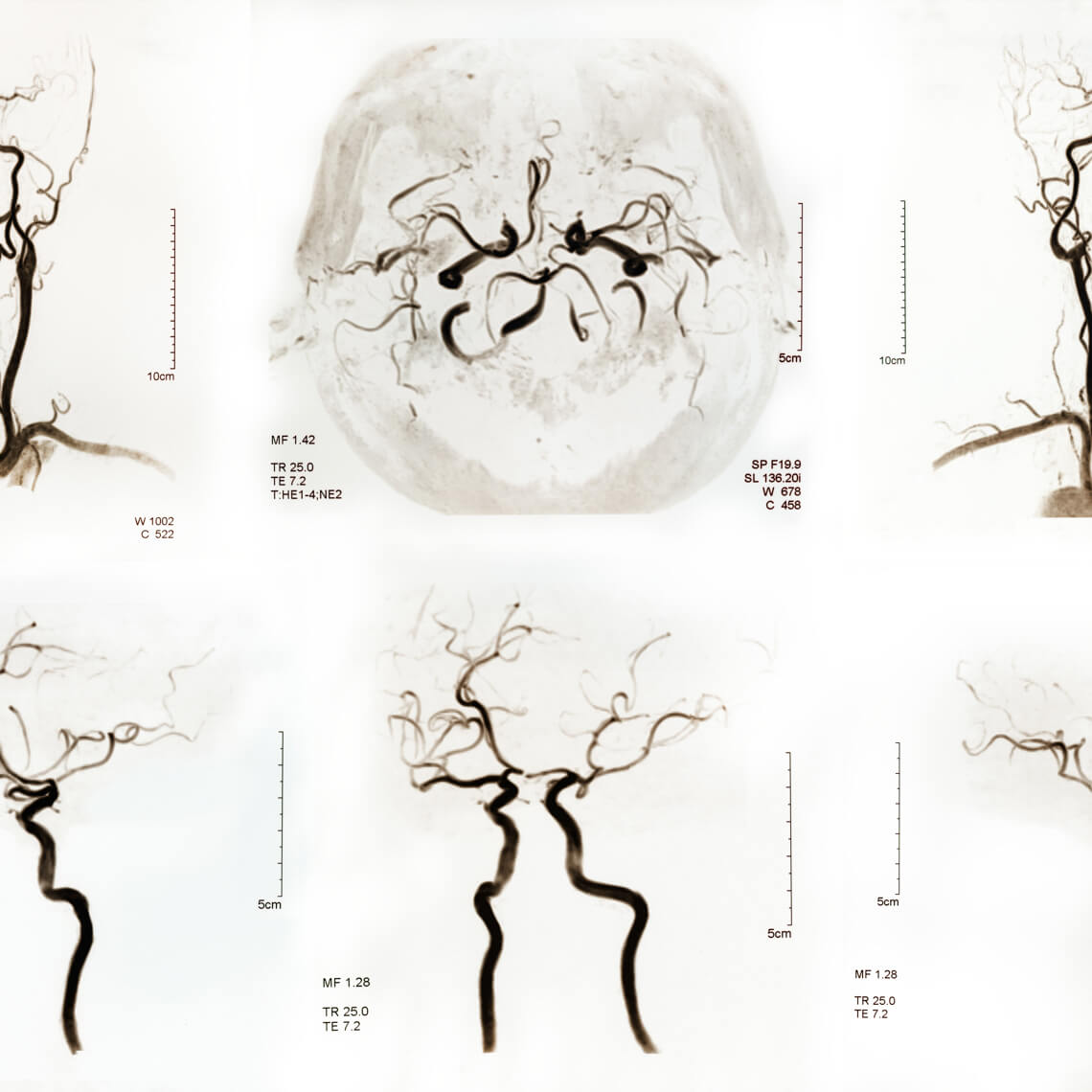
  • 20% of ischemic strokes are vertebrobasilar strokes.
  • Vertebrobasilar stroke mortality rates can reach 90%
  • Find out more.
1x1_auto_2093
Download the PDF Free of Charge

Assessing and treating patients presenting with symptoms related to ischemic stroke, and, in particular, vertebrobasilar stroke.


PDF

Patient Safety Alerts

View the whole library of these 1–2 page AMC PSO findings.


Get up to speed
Patient Safety Alert

AMC PSO

Our Patient Safety Organization convenes clinical leaders to identify and mitigate emerging risks.
Learn with us
1x1_auto_0038

More AMC PSO Content

Publications such as whitepapers and guidelines derived from the AMC PSO convenings.
    1x1_auto_0154

    Failure to Rescue

    Newsletter
    Patient Safety Alert Issue 22: The AMC PSO has recently assembled a panel of subject matter experts to review data, literature, and their own experiences with insufficient patient monitoring and failure to rescue.
    clincal clerk entering chart information at desk

    Electronic Health Record Risks in the Emergency Department

    Newsletter
    Patient Safety Alert Issue 27: The AMC PSO convened a panel of Emergency Medicine thought leaders to identify significant areas of concern and to explore potential mitigation strategies for use of electronic health record risks in the Emergency Department
    1x1_auto_0017

    Harvard Surgical Chiefs Endorse Automated Detection Technology for Retained Foreign Objects

    Newsletter
    Patient Safety Alert Issue 12: The AMC PSO has performed an in-depth analysis of patient safety events in the surgical setting and has identified emerging technologies and new strategies to complement existing patient safety protocols.
X
Cookies help us improve your website experience.
By using our website, you agree to our use of cookies.
Confirm